O2 Expand UK 3G Mobile Switch Off to Norwich, Telford, Guildford and Torquay | ISPreview UK

Original article ISPreview UK:Read More

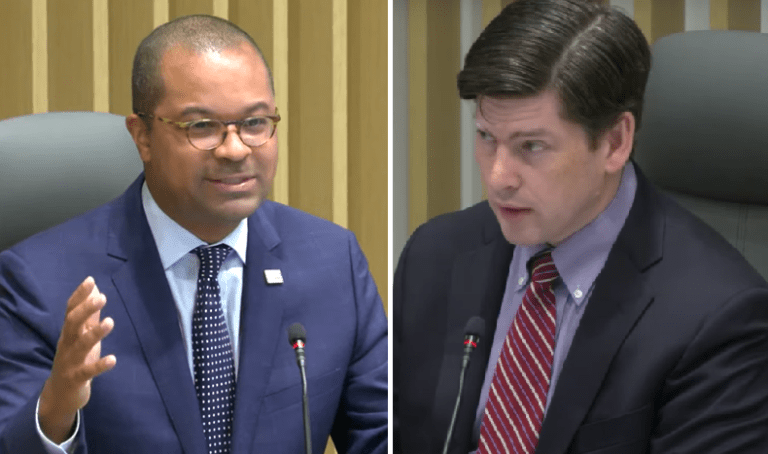
Mobile network operator O2 (Virgin Media) has today begun to notify customers about the next batch of four UK locations to go through their 3G mobile (broadband) switch-off programme, which recently started with a pilot in Durham (here). Norwich, Telford and Guildford will be the next areas to have 3G withdrawn on 16th July, with Torquay to follow on 4th August 2025.

The process, which is due to reach nationwide completion by the end of 2025, should free up radio spectrum so it can be used to further improve the coverage and mobile broadband speeds of their modern 4G and 5G networks. O2 noted how they had already upgraded masts in the new locations ahead of the switch-off. The switch-off will also reduce the operators’ costs and power consumption.

NOTE: The UK government and all major mobile operators have jointly agreed to phase-out existing 2G and 3G signals by 2033 (here). Meanwhile, O2’s 3G network, which was first launched more than 20 years ago, today carries less than 3% of all network data, but accounts for 11% of their total energy consumption.

The switch-off means that customers in these locations, including those on O2’s virtual / MVNO operators (e.g. Sky Mobile, giffgaff, Tesco Mobile), will require at least a 4G SIM and handset to continue using mobile data. But they are not switching 2G services off yet, which means that affected customers will still be able to use voice calls and send text messages as they currently do, at least for now – O2 will start shifting customers off 2G during 2025 too, but they won’t be able to completely withdraw it for several years (here).

Known vulnerable customers have also been contacted with an offer of a 4G-ready device “free of charge“, while all other customers who do not currently have a 4G handset or SIM are said to have been offered a new device at a reduced price.

Jeanie York, VMO2’s Chief Technology Officer, said:

“We’re switching off our 3G network to focus our attention and investment on upgrading faster and more reliable 4G and 5G networks that will give our customers a better overall experience.

Following the successful pilot in Durham earlier this month, we will now be switching off 3G in Norwich, Telford and Guildford in July, and Torquay in early August, with the rest of the UK to follow by the end of the year.

While we know that the vast majority of our customers already have a 4G or 5G device and will not have to take any action, our priority is to provide support to those who need it. That is why we are reaching out directly to customers who do not have a 4G or 5G handset, and calling those we know are vulnerable, to provide information about their next steps. It is important these customers upgrade their handsets in order to continue using mobile data after 3G is switched off.”

The main thrust of O2’s national 3G switch-off programme is currently due to begin from August 2025. At this point they will stop announcing individual locations due to the scale and pace of the effort.

Ofcom Confirm Ban of Global Titles to Tackle Abuse of UK Mobile Networks | ISPreview UK

Original article ISPreview UK:Read More

The national telecoms regulator, Ofcom, has today confirmed that it will ban UK phone operators from leasing Global Titles (GTs) – numbers like +44 (for the United Kingdom) that support mobile services – to third parties. Sadly, such leasing can be misused to try and intercept messages and calls, disrupt the operation of networks and track the location of users of other networks.

According to Ofcom, a small number of operators have been leasing their Global Title numbers to third parties, which can also be done to facilitate the provision of legitimate mobile services. But the regulator has previously found that this can make it easier for bad actors to abuse the system. As a result, +44 Global Titles are “one of the most significant and persistent sources of malicious signalling“ – an issue that affects mobile networks globally.

NOTE: Global Titles are used to send and receive signals that help locate and connect mobile phone users to networks and to one another.

The National Cyber Security Centre (NCSC) is also aware that +44 Global Titles have been exploited for malicious purposes, such as location tracking and the interception of SMS (text messages) used for 2-step verification (2SV) to target both UK residents and populations globally.

The fact that those who intend to cause harm can lease, rather than own, these numbers mean that they can also hide their identities with greater ease, allowing them to “work in the shadow of legitimate communications networks“.

The industry has attempted to tackle these problems itself, such as via the GSMA Global Title Leasing Code of Conduct and controls implemented by some Global Title lessors (e.g. signalling firewalls that block unauthorised message types and monitoring tools). But Ofcom stated that those efforts “have not been effective” and so they’ve opted to ban the leasing of Global Titles with immediate effect (details).

Natalie Black, Ofcom’s Group Director for Networks and Comms, said:

“We are taking world-leading action to tackle the threat posed by criminals gaining access to mobile networks.

Leased Global Titles are one of the most significant and persistent sources of malicious signalling. Our ban will help prevent them falling into the wrong hands – protecting mobile users and our critical telecoms infrastructure in the process.”

Just to be clear. The ban on entering new leasing arrangements is effective immediately. But for leasing that is already in place, the ban will come into force on 22nd April 2026. The aim of the latter is to “give legitimate businesses who currently lease Global Titles from mobile networks time to make alternative arrangements“.

The only exception to the above deadline relates to two specific migration journeys, which have been given until 22nd October 2026 to adapt. “We received detailed evidence on the significant challenges arising from the changes to network functionality associated with these migration journeys which distinguish them from others. We also have no evidence of misuse associated with the use of the relevant Global Titles,” said Ofcom.

The decision should help to improve the reputation of UK mobile numbers, by making them harder to abuse. However, this approach ideally needs to be followed by regulators in other countries, in other to be fully effective. Such things are often easier said than done, internationally speaking.

Just to get a bit technical. The issue above specifically relates to the Signalling System No. 7 (SS7) protocol suite, which is used by 2G and 3G mobile networks (not 4G, which uses the Diameter protocol) to facilitate the provision of mobile services (e.g. authenticating handsets to the network, setting up and terminating calls, sending SMS messages, subscriber profile management and to facilitate roaming).

The above consultation is thus about the security risks arising from SS7 signalling associated with GTs formed from +44 mobile numbers. But users of 4G and 5G networks can also be affected by malicious SS7 signalling because 2G and 3G networks operate alongside 4G and 5G networks, providing fallback coverage in areas where 4G or 5G coverage is not yet available.

Virgin Media O2 UK Cuts Carbon Emissions by 56 Percent Since 2020 | ISPreview UK

Original article ISPreview UK:Read More

Broadband, mobile and TV giant Virgin Media and O2 (VMO2) has today revealed that they’ve reduced carbon emissions by 56% against their 2020 baseline (up from 45% last year). At the same time, they also increased their fleet of Electric Vehicles (EV) to 350 (up from 281) – edging slowly toward their target to transition to a fully EV fleet by 2030 (c. 4,300 vehicles).

The figures were released as part of VMO2’s update to their sustainability strategy (Better Connections Plan), which among other things aims to achieve Net Zero Carbon (i.e. removing as many emissions as they produce) across their operations, products and supply chain by 2040 – some 10 years ahead of the UK’s goal.

The data suggests that VMO2 remains “on track” to meet its near-term Science Based Target goal of reducing operational emissions (Scopes 1 and 2) by 90% come 2030. In addition, the operator said it had already achieved 15% savings in Data Centre cooling energy across 20 sites, eliminated plastic packaging from own-brand products delivered to customers and worked with suppliers to cut plastic packaging at source by 27% against a 2022 baseline.

On top of that, VMO2 has continued to use 100% renewable energy across sites where it controls the bill and introduced a programme to reduce Scope 3 carbon emissions from its supply chain. Since 2022, the company has also helped people take 8.5 million “circular actions” as part of its 10 million goal by the end of 2025 (i.e. recycling tech such as smartphones and tablets via O2 Recycle – they’ve so far processed more than 4 million devices and paid out £350m to consumers).

Furthermore, over 170,000 people experiencing data poverty were connected in 2024 thanks to the National Databank scheme (i.e. like a foodbank but where people in need can access free O2 data, texts, and calls), which is now available at more than 300 O2 stores nationwide, and in total 3,000 locations across the country. Speaking of which, more than 21,000 smartphones have been donated to VMO2’s Community Calling initiative with environmental charity, Hubbub, which sees devices rehomed to people in need.

VMO2’s Other Commitments:

· Launched a mobile social tariff, the O2 Essential Plan, which along with Essential Broadband, is available for people receiving certain government support payments,

· Rolled-out 2,000 internet-enabling Get Boxes in partnership with technology charity, Jangala, to help people in temporary accommodation get online,

· Provided tablets and smartphones to help people experiencing homelessness and domestic abuse get online so they can rebuild their lives through a £400,000 device lending scheme,

· Pledged to donate up to 12,000 devices to people in need across 2025. The smartphones are being sourced from Virgin Media O2’s customer returns and its O2 Recycle service to ensure unwanted devices are put back into circulation and given a second life,

· The company is now working in partnership with the Government and charity, Supporting Children with Diabetes, to provide donated smartphones to help children of low-income families access technology so they can monitor their blood glucose levels.

Nicola Green, Chief Communications and Corporate Affairs Officer at VMO2, said:

“With our Better Connections Plan, Virgin Media O2 is leading the way in helping people to live more sustainable lives.

As we enter the final year of our industry-leading sustainability strategy, we will continue to lead as a sustainable and responsible business that strives to make a positive difference across the UK.

Whether it’s cutting carbon, tackling e-waste, or helping those in need to get online, we’ll continue to use our purpose, people and products to have a lasting impact on the planet and the communities we serve.”

Summary of the Switching £ Credits Offered by UK Broadband ISPs | ISPreview UK

Original article ISPreview UK:Read More

Most internet providers typically try to entice new customers via a mix of direct discounts (e.g. cheaper monthly rental), gifts (e.g. free TV, shopping vouchers) or the inclusive addition of attractive value-added extras. But people often overlook that some ISPs also offer another type of switching incentive, a contract buyout, which is often not well promoted but can be significant.

At present most of the market’s largest broadband and phone providers (i.e. those that lock you into a long minimum contract term), as well as many smaller players, will typically levy some form of Early Termination Charge (ETC) against customers that choose to exit their contract early. Often this reflects a portion of your normal monthly fees and will vary depending upon how many months your current term has left to run.

NOTE: Both Ofcom and the Consumer Rights Act 2015 (CRA) require Communications Providers (ISPs) to ensure their ETCs are fair and transparent to consumers on fixed term contracts.

Some ISPs that want to entice you away from your existing provider will often try to tackle this obstacle by offering bill credits as an incentive to those who have incurred ETCs by switching before the end of their contract (aka – Switching Credit, Welcome Credit or Contract Buyout). Such rewards do have their limits (i.e. it’s usually only enough to cover a few months’ worth of ETCs), but they’re still significant enough to warrant consideration.

The tricky part is that a lot of providers don’t promote these credits as directly or openly as their other discounts (you may have to go actively hunting to find them). Not to mention that you also have to be able to put together the evidence to prove you’ve suffered a financial detriment from ETCs (e.g. final bill from your old provider). But if you’re willing to do that, then this really can help to open up more flexibility in your ability to switch.

However, in order to make such a judgement you first need to know what kind of switching incentives are being offered by the different providers and networks, which is where our new summary may come in handy. ISPreview asked a cross-section of providers, including all of the biggest ISPs and some smaller players, whether they offered any special incentives to help consumers cover the ETCs they might incur by switching while still under contract.

Examples ETC Switching Incentives by UK ISP (Feb 2025 Data)

➤ EE

We’ve made your switch to EE as easy as possible. If you have fees for leaving your old provider we’ll credit you back up to £300 to help with the cost” (here).

➤ BT

BT doesn’t appear to offer a switching credit online, but their “flagship consumer brand” EE above does. However, we’ve been informed by the provider that BT will also honour the same credit, but only if customers either visit them in-store or calls to speak to one of their guides.

Plusnet

This provider does not offer switching credit.

Sky Broadband

Sky offers a credit of up to £100 when switching to Sky TV or broadband, or up to £200 when switching to both (here).

TalkTalk

Given the provider’s debt problems, it’s probably no wonder that they don’t currently offer a switching / welcome credit to cover ETCs.

Virgin Media

Virgin often runs various discounts and gift bundles, but they don’t currently offer a switching / welcome credit to cover ETCs.

Vodafone

We’ll cover your early termination charges from your previous broadband provider of an equivalent amount, up to a maximum of £100” (here) – only on a 24-month term.

Zen Internet

Zen does not appear to offer switching credit.

➤ Hyperoptic

Our Switch Now offer gives you up to 9 months’ free Hyperoptic service while your current contract ends” (here) – only on a 24-month term.

➤ KCOM

Get up to £200 in welcome credit when switching to us” (here) – varies between packages.

YouFibre

We will ‘buy-out’ the remainder of your contract with your existing residential broadband provider up to the value of £300 if you sign up to an 18-month contract with us” (here)

➤ Brsk

Brsk will apply a credit on activation of your account of up to £150 to cover cancellation or early termination fees” (here) – only on a 24-month term.

CommunityFibre

This provider does not appear to offer switching credit.

➤ CityFibre

Despite its position as a wholesale provider (not a retail ISP), CityFibre has often offered credits/rewards worth c.£50 to £200 to those who decide to switch to a provider on their network. You’re most likely to see one of these if you’ve signed up for updates via their availability checker. But at the time of writing (Feb 2025) their last “Switch and Connect £150” promotion ended in December 2024, and they weren’t offering a new one.

Airband

If you have up to 6 months left on your contract with another broadband provider, we will pay your early termination charges” (here).

LightSpeed Broadband

We’ll pay up to £250 towards buying you out of your existing contract” (here).

GoFibre

We’ll cover your broadband exit fees up to £200” (here).

BeFibre

Offers up to £200 via a “Contract Buyout” (here).

G.Network

We can buy out your current contract up to £150” (here) – only on a 24-month term.

Fibrus

Seems to offer an “Existing Contract Buyout” and the related page states that the “maximum payable is £400 including VAT” (here), but the maximum figure does vary.

Connect Fibre

With contract buyouts from Connect Fibre, you don’t have to wait around. Switch to us straight away and we’ll give you up to 3 months free to get you connected earlier” (here).

Take note that switching credits, much like other promotions, can change like the wind, and so what you see above may not stay that way for long. In addition, just because a provider doesn’t publicly show that they’ll give you such a credit, doesn’t always mean to say they won’t (e.g. BT), provided you ask them about it directly (it never hurts to ask, although bigger ISPs may be more amenable to this).

However, credits like this tend to scale depending upon your choice of package, and location (i.e. you’ll get less credit on cheaper plans). For example, KCOM’s offer of a “Welcome Credit” is only available to those covered by their recent network expansions (outside Hull) and scales by package, thus those taking out a 100Mbps plan will only get £50 and those opting for 900Mbps will get the full £200. The headline claims don’t always reflect what you’ll get.

Suffice to say it’s easy to overlook promotions like this, particularly since you often have to apply for them manually, but for some people they could be a dealbreaker (assuming you’re aware they exist). So always check and consider such offers when contemplating a switch, as you might not have to stay stuck in an existing contract for as long as you think.

Synthetiko: Pioneering the Next Generation of Web Behavior Analytics | Total Telecom

Original article Total Telecom:Read More

worm's eye-view photography of ceiling

Startup stories

Introducing Synthetiko

Picture a platform that transforms the way enterprises view and act on customer behavior, one that gives them the power to train and own their own deep learning models for web analytics. That’s exactly what we do at Synthetiko. We enable businesses to dive beneath the surface of traditional dashboards and spreadsheets to uncover granular, real-time insights about how users navigate digital experiences. The ability to quickly identify and respond to user behavior can be the difference between leading the market and falling behind.

It matters now more than ever because budgets are tight, teams are being asked to do more with fewer resources, competition is fierce: A single bad user experience can push customers toward a competitor, and user behaviors change rapidly. Without real-time analytics, organisations are perpetually playing catch-up.

Synthetiko is here to bridge those gaps—helping enterprises achieve speed, agility, and deep understanding in their digital strategy.

The Spark That Drove Us Forward

Our story begins with firsthand experience. While consulting for large enterprises like Vodafone, Pernod Ricard, The AA, and NatWest, we repeatedly witnessed a glaring challenge: teams were drowning in data but struggling to interpret it in a way that led to clear, actionable insights. Traditional web analytics solutions offered dashboards of numbers and percentages but left the “why” behind user actions unanswered.

This constant bottleneck of manual effort and slow iteration became our inspiration. If businesses could quickly reconstruct every step of a user’s online journey, seeing exactly where they paused, clicked, or abandoned, imagine how effectively they could optimise digital experiences.

The Journey So Far

Building a deep learning ecosystem capable of capturing and analysing real-time user behavior was no small feat. Our earliest challenge was designing a neural network architecture that could handle the sheer volume of granular data generated by high-traffic enterprise websites. Many existing tools were built to deliver summary metrics—like bounce rates and time on site—but few could dissect a user journey down to the micro-interactions in real time.

Despite these complexities, we launched our 1.0 Analytics Neural Network for alpha partners, and the results have been remarkable:

Reduced analysis time: What once took days or weeks to interpret can now be understood within minutes.

Increased conversion opportunities: Our partners can isolate the exact moments where users lose interest or encounter friction, then optimise accordingly, often leading to immediate improvements in key performance metrics.

Stronger collaboration: Departments from marketing to engineering can finally work off the same, detailed data, speeding up the overall decision-making process.

Witnessing how this technology cuts down weeks of data sifting into a near-instant view of customer behavior is a testament to our central belief: real-time, AI-driven insights can be a game-changer for any enterprise serious about digital growth.

Future Vision

In the coming year, our ambition is to expand the scope and capability of Synthetiko in several ways with a Flagship Optimisation Model

We’re on track to launch our v1 Optimisation Model, which will go beyond identifying behavior trends. It will proactively recommend which site improvements or content changes have the highest potential to boost conversion and engagement, well before a human analyst would even suspect an issue.

Ultimately, we see a future where enterprises own an evolving intelligence layer—one that not only optimises their own user experiences but could even be licensed out, helping them generate new revenue streams from their proprietary models.

Excitement for Connected North

With all this momentum, Connected North is the perfect platform for us to share our vision. We’re eager to:

Demonstrate our technology in front of an audience ready to embrace AI-driven solutions.

Engage with forward-thinking enterprises that see the value in deep, immediate insights into user behavior.

Connect with potential investors who recognise the long-term scalability of owning a proprietary AI analytics engine.

We believe Connected North is a unique opportunity to showcase what’s next in web analytics—an approach that’s agile, granular, and truly data-driven. By telling our story and sharing our real-world results, we hope to spark meaningful conversations about the transformative power of deep learning in customer experience and digital strategy.

Starlink Preps New UTR-251 Router for Satellite Broadband Service | ISPreview UK

Original article ISPreview UK:Read More

SpaceX’s Starlink service, which offers ultrafast broadband speeds via a mega constellation of satellites in Low Earth Orbit (LEO), has notified the Federal Communications Commission (FCC) in the USA of their intent to launch a new Wi-Fi router for their customers – model code UTR-251. The new kit appears positioned to replace the previous Gen 3 (UTR-231) kit, but it has some caveats.

At present Starlink has over 7,200 satellites in Low Earth Orbit (c.3,300 are v2 Mini / GEN 2A) – mostly at altitudes of c.500-600km – and they’re in the process of adding thousands more by the end of 2027. Residential customers in the UK typically pay from £75 a month for a 30-day term, plus £299 for hardware on the ‘Standard’ unlimited data plan (inc. £19 postage), which promises latency times of 25-60ms, downloads of 25-100Mbps and uploads of 5-10Mbps.

NOTE: By the end of 2024 Starlink’s global network had 4.6 million customers (up from 2.3m in 2023) and 87,000 of those were in the UK (up from 42,000 in 2023) – mostly in rural areas.

However, every 2-3 years the operator does tend to refresh their broadband routers and dishes with new kit, which often reflects enhancements to previous services and support for new features. At present it is already known that Starlink are developing a higher performance dish (terminal) / package, which will support their aim of reaching gigabit broadband speeds.

The news of a new router, as spotted by PC Mag, may well feed into the above plans. But it is also likely to end up supporting other plans too. The UTR-251 currently looks likely to be a fully-fledged Gen 4 router to replace the older Gen 3, which itself was only first introduced in 2023. The new kit looks designed to stand upright, much like the older Gen 2 kit, but it’s also a step back in terms of only having a single Ethernet port (the Gen 3 had two) and can only be used indoors (not rugged).

Otherwise, the new kit appears to have similar WiFi specs to the Gen 3, but enhanced support for additional radio frequency bands has been introduced to help boost broadband speeds on the satellite connection itself. The new router is also expected to be more power efficient than the existing model, although we will only know for sure once that can be tested in the wild.

Starlink-UTP-251L-router-specs

Comparing ISP Prices for 1Gbps UK Home Broadband – 2025 vs 2022 | ISPreview UK

Original article ISPreview UK:Read More

A couple of years have now passed since ISPreview last examined how much money broadband ISPs were charging consumers for their gigabit broadband (1Gbps) tiers, so we’ve decided to take another look to see how things have changed between 2022, 2023 and 2025. But it might surprise some readers to learn that prices have broadly continued to fall.

The following article will only be covering residential networks delivered via either Full Fibre (FTTP/B) or Hybrid Fibre Coax (Virgin Media) infrastructure. At the start of 2025 around 86% of UK premises were estimated to be within reach of such a gigabit-capable broadband network (here), which drops to 74% when only considering FTTP.

NOTE: Providers will sometimes advertise 1Gbps packages alongside “average” speeds of 900Mbps+, which reflects a 2018 requirement by the Advertising Standards Authority (ASA) for all ISPs to promote the median speed as measured at peak time. Some ISPs get around this by offering a slightly faster speed than 1000Mbps, allowing them to advertise a true 1Gbps.

However, assuming the Government’s £5bn Project Gigabit programme delivers and commercial builds remain steady (most of today’s coverage has come from commercial deployments), then we could see gigabit coverage via fixed line networks reaching around 99% “nationwide” by 2030. Ofcom has predicted (here) that gigabit coverage will reach around 97-98% by May 2027 and that’s currently as far out as they’ll forecast.

Suffice to say that, within a few short years, the vast majority of this country will have gained the ability to choose from one or more gigabit-capable broadband networks. But such speeds are not an automatic upgrade for existing connections, thus you’d need to order the package from a supporting ISP in order to receive it. On top of that, there’s also a rapidly growing selection of multi-gigabit (2-10Gbps) providers, but that’s another topic.

Why Gigabit Prices Vary

The amount that ISPs charge for a 1Gbps package continues to vary quite a lot, which isn’t just down to competition. Different packages come attached to different features (e.g. static IP addresses, contract lengths, better routers etc. – assigning a value to such things is subject to personal preference) and some networks have also been deployed using different methodologies or technologies, all of which impacts cost.

For example, B4RN adopts the Community Benefit Society approach and operates a closed network, where the community sometimes helps to build and fund the infrastructure – this tends to result in a cheaper service (i.e. not profit orientated). By comparison, Openreach (BT) runs a commercial open access network, albeit one that has the baggage of heavily regulated copper infrastructure to balance – this can be more expensive.

Meanwhile, commercial providers that roll-out almost exclusively in rural areas also tend to be more expensive, as this reflects the higher cost of deployment. On the other hand, the new generation of commercial and urban-focused alternative networks (AltNet) are often very aggressive on price.

The Gigabit Comparison (Feb 2025 Data)

The table below is intended to examine how prices for consumer facing 1Gbps packages have changed over time, thus we’re continuing to use our original ISP sample from 2022 and haven’t added any new ones (the odd provider has also been removed due to consolidation). If you want to compare all of the available 1Gbps packages, and there are over 140 of those, then our ISP Listings page is the place to go.

Otherwise, this summary will generally only take a standalone (data-only) package from each operator, except in cases where the package is unavoidably bundled alongside a voice (phone) product. We’ll also reflect the post-contract pricing after any discounts (where possible), provided those discounts last the full length of the operator’s initial minimum term (shorter partial-term discounts are ignored as they’re harder to compare).

Finally, for providers with multiple underlying networks (each with different prices), we’ll only cover the two largest networks to reduce complexity and repetition. The list doesn’t cover upload speeds, but it’s worth noting that many providers will give you symmetric uploads, while those from Openreach and Virgin Media will often do c.100Mbps by default.

NOTE: Prices are all inc. VAT. We don’t display one-off setup fees below (no space), but these tend to vary between £0 and up to £200. The monthly prices in brackets are post-contract (after discounts) and nearly every package includes a router.

1Gbps UK Home Broadband Prices Over Time (Alphabetic)

ISP Network £ – Price 2025 £ – 2023 £ – 2022 Contract (Months)
B4RN B4RN 33.00 33.00 30.00 12
BT Openreach 36.99 – 42.99 (45.99) 44.99 (59.99) 59.99 24
Cambridge Fibre Cambridge Fibre 29.00 (49.00) 59.00 69.00 24
CommunityFibre Community Fibre 25.00 – 27.00 (31.00) 29.00 (31.00) 49.00 24
County Broadband County Broadband 54.99 (84.99) 69.99 80.00 24
EE Openreach 40.99 – 46.99 (59.99) 49.00 (58.00) 49.00 (57.00) 24
Exascale Exascale 48.99 48.99 48.99 24
Fibrus Fibrus 44.99 (59.99) 59.99 29.99 (59.99) 24
Freeola Openreach 61.98 58.99 58.99 1
G.Network G.Network 28.00 (33.00) 51.99 48.00 24
Gigaclear Gigaclear 49.00 (82.00) 49.00 (79.00) 49.00 (79.00) 18
Grain Grain 28.99 (52.99) 32.99 (49.99) 44.99 (55.00) 24
Hyperoptic Hyperoptic 40.00 (63.00) 45.00 (60.00) 40.00 (60.00) 24
InternetTY InternetTY 33.33 45.00 45.00 24
Jurassic Fibre Jurassic Fibre 40.00 40.00 40.00 24
KCOM KCOM 44.99 (69.99) 59.99 (69.99) 69.99 24
Leetline Openreach 52.99 52.99 64.99 24
Leetline CityFibre 38.99 36.99 40.99 24
Lightning Fibre Lightning Fibre 36.00 39.00 59.00 24
Highland Broadband Lothian Broadband 44.99 (74.99) 74.99 59.99 24
Pine Media Pine Media 32.00 41.00 49.99 24
Pine Media Openreach 42.00 47.00 49.99 24
Quantum Quantum Fibre 60.00 60.00 60.00 24
Swish Fibre Swish Fibre 40.00 50.00 75.00 24
Telcom (WeFibre) Telcom 25.00 35.00 20.00 12
toob toob 29.00 (33.00) 25.00 (29.00) 25.00 (29.00) 18
Trooli Trooli 39.99 (49.99) 68.00 (80.00) 68.00 (80.00) 24
No One Openreach 49.99 49.99 62.99 24
No One CityFibre 31.99 36.99 38.99 24
Truespeed Truespeed 39.00 (75.00) 49.00 (70.00) 54.99 (*69.99) 12
Village Networks Village Networks 75.00 70.00 70.00 18
Virgin Media Virgin Media 38.99 – 42.49 (78.00) 47.00 (62.00) 62.00 18
Vodafone Cityfibre 29.00 – 32.00 (£37) 46.00 35.00 24
Vodafone Openreach 38.00 – 41.00 (£46) 49.00 70.00 24
Wessex Internet Wessex Internet 79.00 79.00 84.00 12
WightFibre WightFibre 43.95 49.95 54.95 1
Wildanet Wildanet 65.00 59.95 59.99 24
YouFibre Netomnia 31.99 (41.99) 29.99 (40.00) 40.00 (50.00) 24
Zen Internet Cityfibre 40.00 45.00 47.99 18
Zen Internet Openreach 50.00 55.00 59.99 18
Zzoomm Zzoomm 29.95 (39.95) 39.95 59.00 12

The first thing to note above is that BT, CommunityFibre, EE, Vodafone and Virgin Media all have their monthly prices expressed as a range (e.g. for BT it’s £36.99 – £42.99), which reflects Ofcom’s recent change in pricing policy that allows us to see us to see the impact of mid-contract price hikes across the minimum term. Previously we couldn’t do this as those mid-contract hikes were linked to an unknown future figure of inflation.

In addition, we didn’t previously include Vodafone’s post-contract pricing because it was difficult to figure them out (vague policy), but the provider now states that your prices will rise by £5 per month after the end of your minimum term. As such, we’ve assumed they mean +£5 on what you were being charged after the most recent mid-contract price hike.

One other observation to make is that several providers have increased their minimum contract period since the last update. For example, Grain, Pine Media and Truespeed have gone from 12 to 24 months, while InternetTY and Swish Fibre have gone from 18 to 24 etc. On the flip side, Virgin Media went from 24 to 18 month terms. Longer contracts give ISPs more security and often make for cheaper packages, but also tie the customer down for longer.

Overall, the story is similar to 2023 in that many more ISPs reduced their prices than increased them in 2025, while a few others maintained the same pricing they had before. Only a smaller number increased their prices. However, it’s important to caveat that inflation (CPI and RPI) surged between 2022 and early 2024, which means that any ISP choosing to maintain the same price today as it had in 2023 will have technically been giving customers a real-terms price reduction. Openreach also introduced some big discounts in 2023 (Equinox 2) to help ISPs stay competitive with altnets, which may have offset some increases in other areas.

Finally, if we exclude the impact of mid-contract price hikes and post-contract pricing, then the average monthly price (at least for new customers) from the sample of providers listed above works out as £42.02. This compares with an average of £49.11 in 2023 (i.e. this is a decrease of £7.09 or -14.44%). Competitive pressures between networks is likely to continue to keep prices low for the next couple of years, but this may change as the market matures and economic pressures take their toll.

Study Examines Patchy UK Mobile Coverage on the South West Mainline | ISPreview UK

Original article ISPreview UK:Read More

Network analyst firm Streetwave has conducted an anecdotal study of UK mobile coverage (4G, 5G etc.) and mobile broadband speeds along the South West Mainline – as operated by South Western Railway (SWR). This found that customers connected via mobile operator EE received the best coverage, while O2 were the weakest.

The South West Mainline is a 143 miles long (230km) major railway (train) line between London’s central Waterloo station and Weymouth (Dorset) on the central south coast of England. The line is a key commuter route and around 118 trains a day run between the cities according to Trainline.

NOTE: The singular survey was conducted on the 20th March 2025, starting at 6:30am on a 2-hour and 16-minute journey between London and Bournemouth. The railway journey was conducted by SWR on a Class 450 train. The train was only around 30% full during the journey.

Streetwave defines “Essential Coverage” as being reflective of locations where the network provides users with connectivity of above 1Mbps download speeds, 0.5Mbps upload, and below 100ms (milliseconds) of latency (i.e. covering or allowing only the most basic of use cases / needs).

Overall, EE delivered the highest levels of Essential Coverage across the line – with 68% of the railway covered and their “simulated passenger” being without a dependable internet connection for a total of 44 minutes during the trip. But others fared worse. The fact that EE came top is not so surprising when you consider that SWR has a strategic partnership with BT (who manage the EE network, which SWR’s onboard Wi-Fi uses).

Essential Coverage Scores on South West Mainline

1. EE – 68%
2. Vodafone – 55%
3. Three UK – 42%
4. O2 – 33%

Time Simulated Passenger Spent Without a Dependable Internet Connection

1. EE – 44 minutes
2. Vodafone – 61 minutes
3. Three UK – 79 minutes
4. O2 – 91 minutes

The survey was admittedly very anecdotal and really needed to be conducted several times, on different days and times of day, in order to produce a stronger level of data. But it does still provide a useful, if limited, snapshot of how mobile connectivity performs on the line (remember the onboard Wi-Fi service is usually also supplied via mobile capacity).

The results might also help to inform the current debate between mobile operators and the government. This is over whether public money should be diverted from the £1bn industry-led Shared Rural Network (SRN) to subsidise coverage improvements along Britain’s railway lines.

Finally, it’s worth noting that SWR are currently developing “superfast Wi-Fi technology” with FirstGroup, which will be installed between Earlsfield and Basingstoke. This trackside solution will be fully integrated with their existing onboard Wi-Fi service, which will benefit their mainline passengers.

Colt offloads eight data centres in strategic refocus  | Total Telecom

Original article Total Telecom:Read More

worm's eye-view photography of ceiling

News 

Colt Technology Services has agreed to sell eight of its European data centres to NorthC and a UK-based data centre firm, both backed by funds managed by investment giant DWS Group 

The facilities, located in Amsterdam, Berlin, Dusseldorf, Frankfurt, Hamburg, Munich, and two sites in London, were part of Colt’s acquisition of Lumen EMEA in 2023. The deal is expected to complete later this year, subject to regulatory approvals. 

NorthC, a Netherlands-based data centre operator with a strong presence in the DACH region (Germany, Austria, Switzerland), will take on six sites across continental Europe. The two London data centres will be acquired by a separate UK entity also supported by DWS-managed funds. 

As part of the transaction, around 400 customers will transition to the new operators. However, Colt says the majority of these customers will remain on its network, as many use its connectivity services in parallel. 

Colt has said that the move aligns with its company strategy to “focus on its core business strategy”, concentrating on digital infrastructure and global network services, particularly as demand accelerates in AI, cloud and enterprise connectivity markets. 

The company will maintain a presence in the divested facilities, keeping network infrastructure and forming a strategic partnership with NorthC to ensure continued service delivery. 

“We’re pleased to have entered into this agreement to divest our data centres to NorthC and to the funds managed by DWS Group. The sale will enable us to focus on our strategic imperatives of driving growth, delivering exceptional customer experience and building a sustainable network for the future,” said Keri Gilder, CEO of Colt Technology Services in a press release. 

The deal also supports NorthC’s growth plans, expanding its regional data centre portfolio in key European metro areas. The company has been steadily growing its market presence through targeted acquisitions and localised service offerings. Colt’s global footprint spans more than 40 countries, with over 275 Points of Presence and ten subsea cable routes. It also co-manages AS3356, one of the most widely-peered networks globally. 

Join us at this year’s Connected Britain, 24-25 September in London. Get discounted tickets here! 

Also in the news:
No sign Baltic subsea cable damage was deliberate, say Swedish authorities
A Northern Ren-AI-ssance
Cordiant edges closer to completing of BT Ireland’s wholesale unit purchase  

Fibrus Founder Criticises Openreach “Pole Tax” on UK Fibre Broadband Builds | ISPreview UK

Original article ISPreview UK:Read More

The co-Founder & Chair of UK broadband ISP Fibrus, Conal Henry, has criticised network operator Openreach (BT Group) for the “pole tax” they claim is being levelled against them, which is said to be “twice the cost of paying our own staff, just to rent some poles and holes built by the British taxpayer“.

Just for some context. Openreach is required to provide access to their existing cable ducts and poles via the regulated Physical Infrastructure Access (PIA) product, which has been extremely successful. This enables rival networks (Altnets) to run their own fibre optic cables via the incumbent’s existing infrastructure – cutting down on build costs, disruption and speeding up rollouts of gigabit-capable full fibre (FTTP) broadband ISP networks.

NOTE: Fibrus is backed by a total investment of around £893m, including £320m of committed debt, £200m in current and committed equity funding and £373m of government funding (e.g. £23m FFNI, £200m Project Stratum – up to 82,000 premises by June 2025 in N.Ireland – and the c.£150m Project Gigabit contract for 53,500 premises in Cumbria – Hyperfast GB).

Fibrus, much like many other network operators, have been harnessing PIA to support their roll-out across rural parts of both Northern Ireland and Cumbria in England. The operator’s network currently reaches over 400,000 premises and has connected 100,000 customers.

Openreach has described their PIA product as being “cheap as chips“, “really successful” (175 network builders are using their ducts and poles) and said it returns “very strong customer satisfaction scores“. But in a recent LinkedIn post, Fibrus’ Conal Henry appeared to strongly disagree with that viewpoint. The same issue is also touched on in a new BBC Look North episode, although at the time of writing this wasn’t available to view online.

Conal Henry said:

“BT Group’s “cheap as chips” pole tax on Fibrus is twice the cost of paying our own staff, just to rent some poles and holes built by the British taxpayer. Ofcom have allowed them to levy us with a charge which they don’t put on Openreach and which also includes the cost of the copper phone network we don’t use. These costs are 20 times higher for rural customers than for urban. Funnily enough, fibre penetration in rural areas is half what it is in cities.

Fibrus is calling on Ofcom and Department for Science, Innovation and Technology to deal with this unfair and illogical barrier to rural broadband now before it’s too late. If you agree, contact your elected representatives and tell them so and, whatever you do, don’t get your broadband from a phone company!”

The timing of Conal’s remarks are intended to help feed into the Ofcom’s current Telecoms Access Review 2026 (TAR), which will also be taking another look at PIA, although it currently seems unlikely to push for any truly radical changes. Similarly, other altnets have previously also called on the regulator to deliver fairness in pricing, to “ensure all users of PIA have a level playing field for access to infrastructure“ (here and here).

Conal’s concerns appear to be primarily centred around how altnets, “unlike Openreach“, must pay per-metre rental fees to access the same overground poles and underground ducts needed to install full-fibre broadband. “With rural properties spaced much further apart – typically 200m compared to just 10m in cities – the cost burden is significantly higher for rural expansion,” said Fibrus in a briefing document seen by ISPreview.

The fact that rural builds cost significantly more than urban ones is nothing new and it’s worth bearing in mind that Openreach will also suffer that impact when they build the infrastructure. But state-aid based deployments (e.g. Project Gigabit) can help to mitigate against those costs and naturally Openreach itself doesn’t need to pay the same rents, although they do have maintenance, repairs and other upkeep costs to consider. Fibrus also benefits from public funding in many of their rural builds.

The prices are ultimately set by Ofcom, not Openreach, and they’re supposed to be purposely set at a level which supports entry into the market by companies like Fibrus.

An Openreach spokesperson told ISPreview:

“This is a really successful product. It’s cheap as chips, achieves very strong customer satisfaction scores and, because of that, it’s been flying off the shelf.

175 network builders are using our ducts and poles to cut their network build costs by around half, according to Ofcom. That has encouraged intense competition across the market and helped more than 1.4m extra homes and businesses to be connected with Full Fibre. Also, crucially in rural areas, it’s avoided more than three million new poles being erected.

If anything, the prices are too low, given Altnets currently use around 20% of our duct and pole network yet only pay 4% towards its costs.”

In terms of that closing remark above, Openreach appears to be referencing how they previously reported duct and pole costs of £850m in FY24, although network builders only contributed £33m towards that (it’s unclear if that £850m figure includes costs from areas where no altnets are present/harnessing PIA). Rival networks also don’t pay upfront for network adjustments, and systems development costs aren’t included in their PIA prices.

As it stands, around 33% of Openreach’s duct and pole network is now either being used by rival networks or they’ve indicated plans to use it, which does help to show its popularity. On the flip side, Openreach argues that their rivals are often very reluctant to share their own infrastructure in the same way. But this is hardly surprising for smaller altnets, which carry a lot of risk and need to protect the value of their asset vs those with significant market power.

On the other hand, where altnets receive public investment to expand, then the rules often do oblige them to offer a degree of infrastructure access to rivals too. The catch there is that such unregulated products from altnets are often significantly more expensive than similar solutions via Openreach’s PIA (i.e. the terms involved often seem to be designed to discourage infrastructure sharing).

However, INCA’s Infrastructure Sharing Group (ISG) is separately working to produce a new sharing framework for alternative networks (here), which might help to solve some of the above issues. But this is more of an altnets-only kind of club and focuses on areas when Openreach’s own PIA solution is not available.

Otherwise, it seems like Ofcom will have the incredibly difficult job of trying to balance the many competing (vested) interests between different operators, and inevitably this will always result in some winners and losers.