

Original article Total Telecom:Read More
White Paper
With the mobile tower ecosystem growing increasingly complex, protecting field engineers has never been more important
Falls from height remain the second leading cause of accidental death globally, responsible for over 38 million disability-adjusted life years (DALYs) lost annually according to the World Health Organization. For the telecommunications sector, this statistic represents an ever-present, operational hazard that is escalating rapidly. As operators rush to densify networks for 5G, upgrade legacy LTE frameworks, and deploy complex microwave systems, tower work is becoming more frequent, time-sensitive, and physically demanding.
Without proper precautions, this work could also become more dangerous.
Engineering work taking place on mobile towers carries inherent risk, but changes in market dynamics deeply impact this risk profile. For example, the introduction of heavy multiband and multi-standard antennas changes tower dynamics, introducing higher wind loads and requiring more frequent structural modifications. The shifting commercial landscape compounds this challenge, with rapidly growing TowerCos placing a premium on cost efficiency and rapid maintenance. Against this backdrop, preventing falls is a critical operational, legal, and humanitarian necessity – and it requires fall protection equipment that can meet these evolving challenges.
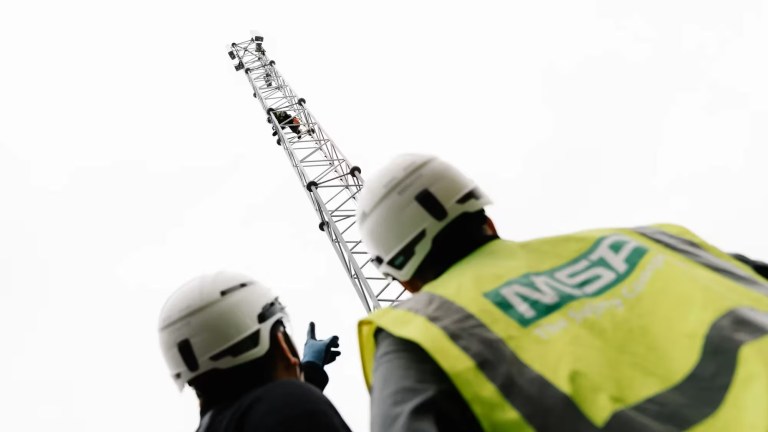
A newly released white paper, “Vertical Thinking: Is Your Telecom Tower Fall Protection Ready For The 5G Era?” by MSA: The Safety Company, explores how the industry can navigate these heightened risks while simultaneously streamlining deployment. It serves as a strategic blueprint for network providers, tower designers, and safety managers working to strengthen safety culture without sacrificing productivity.
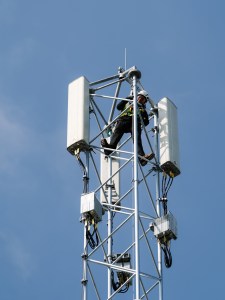
The paper notably outlines the critical limitations of legacy infrastructure, including rigid rail systems that misalign under heavy wind loads or cause worker fatigue. By contrast, MSA’s Latchways® vertical lifeline system uses unique star wheel connection devices designed to allow smooth, uninterrupted climbing.
 Key Takeaways
- Adaptability: Discover how flexible lifeline systems adapt to modern tower configurations, including fiberglass, pole steps, and camouflaged structures.
- Deployment agility: Learn how simplified vertical lifeline installations require only standard tools that can help reduce site downtime and deployment costs.
- Compliance: Navigate evolving international safety standards, mandatory 5-year recertifications, and the importance of choosing stable manufacturing partners.
- Force absorption: Understand the mechanics of Constant Force energy absorbers, to help protect both the climber and the structural integrity of the tower during a fall.
As network architecture evolves, protecting the workforce building our connected future must remain paramount. Standardising your portfolio’s fall protection can be an important step toward long-term operational resilience.
Ready to elevate your tower safety standards? Click here to read the full white paper and ensure your infrastructure is future-ready.
The post Fall protection: A safety challenge at the heart of the mobile ecosystem appeared first on Total Telecom.